
The Anatomy of a Property Campaign
A property campaign is a concentrated period of market exposure. How it is structured determines how much competition you generate — and competition determines your result.
The four-week campaign
Sydney’s auction market typically operates on a four-week campaign structure. The first week of any campaign captures the highest volume of buyer enquiry — these are the people actively searching, who have set alerts and respond immediately to new listings.
Weeks two and three generate inspections and develop genuine buyer interest. Week four builds competition and urgency ahead of the auction date. Every element of the campaign — photography, copywriting, portal presence, open for inspection strategy — is designed to maximise qualified buyer engagement across these four weeks.

Pricing and positioning
How a property is priced and positioned in the market is one of the most consequential decisions in a campaign. An accurate price guide attracts the right buyers. An unrealistic one delays the campaign, erodes credibility, and ultimately achieves a lower result.
Price guides in Sydney are not vendor asks — they are assessments of market value based on comparable evidence. An experienced agent will give you an honest assessment of what the market will pay, not what you want to hear. The two are not always the same.
The role of competition
The most important variable in a Sydney auction is the number of registered bidders. One buyer can set a floor. Two can exceed expectations. Three or more creates the conditions for a strong result.
Competition is not manufactured — it is generated by genuine market interest. The campaign’s job is to identify every buyer in the market for whom this property is relevant, and to bring them to the auction informed, motivated, and ready to bid.
Pre-auction offers and auction day
A pre-auction offer is a signal that a buyer wants to avoid competing. Whether to accept depends on the strength of the offer, the likely field of competing bidders, and the vendor’s specific circumstances.
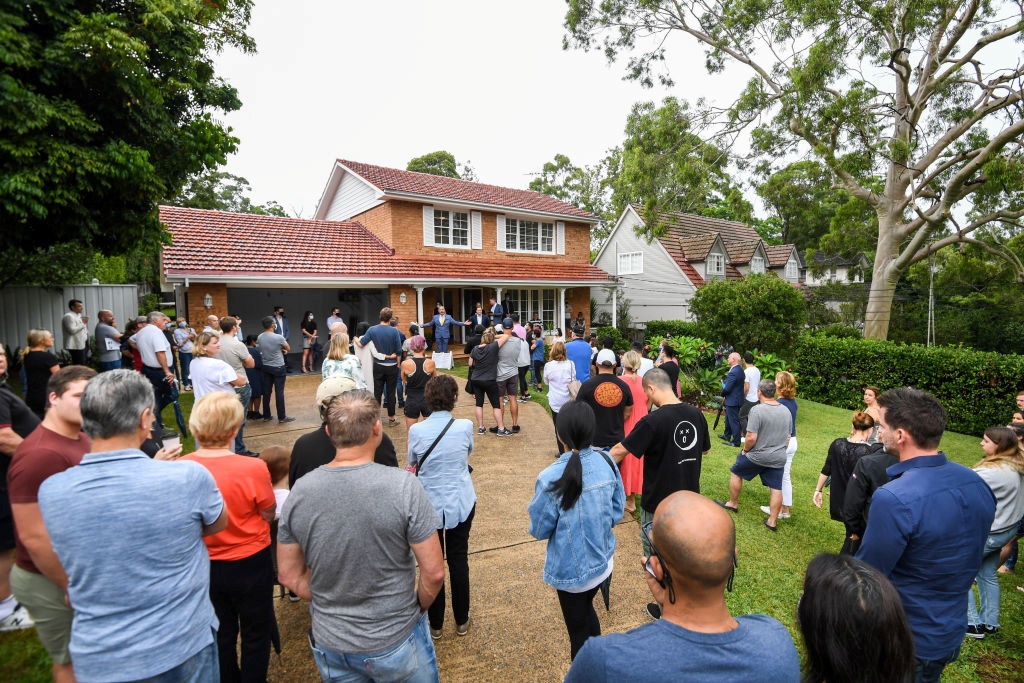
Auction day is where preparation meets execution. The auctioneer, the bidding strategy, and the read on the room all matter. A well-run auction, on a well-prepared property, with a genuinely interested buyer field, should deliver a result that reflects the market — and often exceeds expectations.
Every property is different — and every campaign should be too
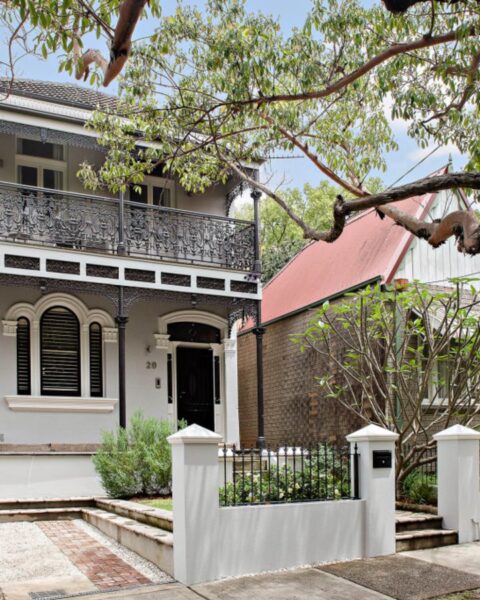
No two properties are the same, and no two campaigns should be either. A terrace in Paddington requires a different approach to a family home in Pymble. A deceased estate with deferred maintenance demands different positioning to a newly renovated apartment in a sought-after block. The buyer profile, the likely price range, the condition of the property, and the vendor’s timeline all shape how a campaign is structured.
A one-size-fits-all approach is a shortcut that costs vendors money. The right campaign is built around the specific property, its likely buyer, and the market conditions at the time of sale. That means tailored photography that captures what makes this home distinctive, a price guide calibrated to the actual evidence, a digital and print strategy directed at the buyers most likely to compete, and an open for inspection schedule designed around when those buyers are available.
Generic campaigns produce generic results. The properties that achieve strong outcomes are almost always the ones where every element of the campaign — from the first portal listing to the final bid — has been built with that specific property in mind.
