
The Inner East Shift
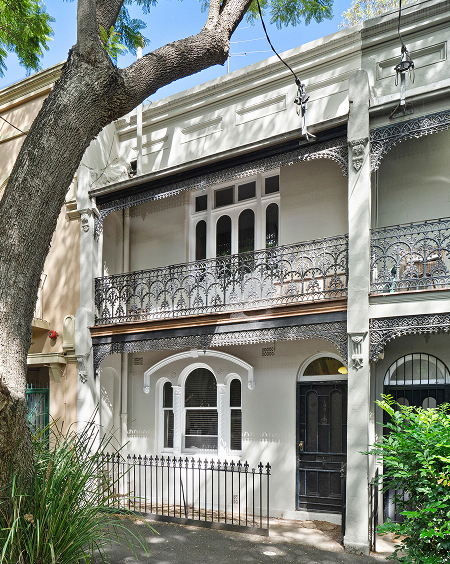
How Darlinghurst and Surry Hills Became Sydney’s Most Sought-After Postcodes
The transformation of Sydney’s inner east was not the result of a single development or moment. It was incremental, deliberate, and now deeply embedded.
How the shift happened
In the 1980s and early 1990s, both Darlinghurst and Surry Hills were working-class and transitional suburbs — affordable by inner-city standards, mixed in character, and not yet on the radar of mainstream Sydney buyers. The housing stock was largely intact but largely unrestored. The commercial strips were functional rather than aspirational.
What changed was not the suburbs themselves. It was Sydney. As the city’s creative, media, and knowledge economy grew through the 1990s and 2000s, it drew residents who valued urban density, walkability, and cultural proximity over the quarter-acre-block ideal that had defined earlier generations of homeownership.
Those residents renovated terraces, opened cafés and galleries, and created the precinct that exists today. The suburbs followed the people who chose them.
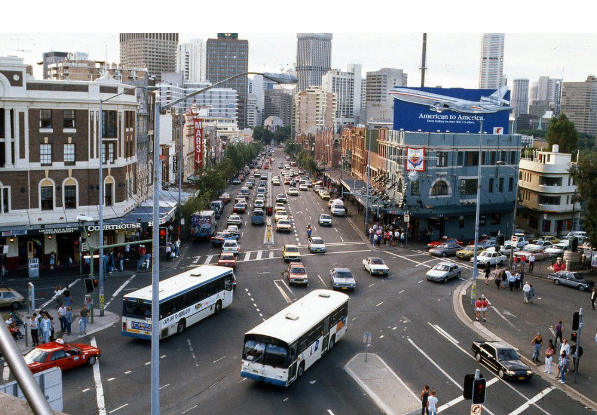
The role of the built environment
One of the reasons the inner east gentrified so strongly — and so durably — is that the underlying built environment supported it. Victorian terrace housing, once sensitively restored, is genuinely appealing: high ceilings, original detail, human-scale streets, and a physical character that cannot be replicated in new construction.
The conversion of former industrial and commercial buildings into residential, hospitality, and creative uses added diversity to the stock without erasing what had come before. The result is a layered streetscape — new and old, residential and commercial, intimate and public — that gives both suburbs their particular texture.
This is not an aesthetic observation. It is a market one. Built environments with genuine physical character and limited replication potential attract sustained demand. They hold value because they are irreplaceable.
Where things stand today
Darlinghurst and Surry Hills are now among the most consistently demanded inner-city postcodes in Sydney’s residential market. Median prices in both suburbs reflect their position: firmly in the upper tier of inner-city property, with long-term capital growth that has outpaced the broader market.
The demographic has matured without narrowing. Both suburbs accommodate young professionals, established families, long-term residents, and investors — a breadth of demand that provides resilience across market cycles.
Vacancy rates for rental properties remain low. Days on market for well-priced listings are short. Competition at auction, where it occurs, is real.
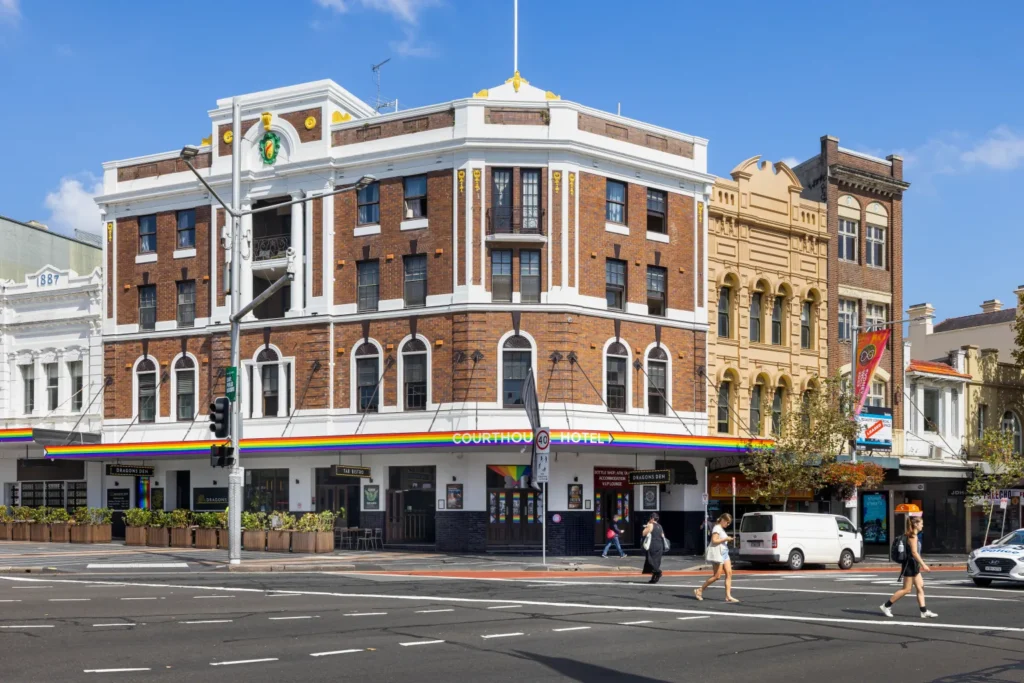
The Oxford Agency perspective
We have worked in this precinct for years. We know the streets, the stock, and the community. We understand which properties have been quietly held for decades, which blocks are the most tightly contested, and what genuine local knowledge looks like in practice.
The inner east is not just a market we operate in. It is the city we know. That understanding is what we bring to every transaction — not as a claim, but as a result.
